Nurturing curiosity, creativity, and community since 1981.
Founded in 1981 by Linda Ensko, Buckle My Shoe Preschool was one of the first early childhood programs to open in both Tribeca and the West Village. Rooted in the Reggio Emilia philosophy, our school was built on the belief that every child is capable, curious, and full of potential. For more than four decades, we have created environments where exploration, creativity, and connection thrive—honoring Linda’s founding vision of a community where children, families, and educators learn and grow together.
At Buckle My Shoe, we don’t just call ourselves Reggio-inspired—we live it. Our educators thoughtfully adapt the Reggio Emilia philosophy to reflect our children, our city, and our time. Our leadership team has visited Reggio Emilia, Italy, and continues to work closely with leading consultants in New York City to ensure the approach remains authentic and evolving. You’ll see this philosophy come to life in our classrooms:
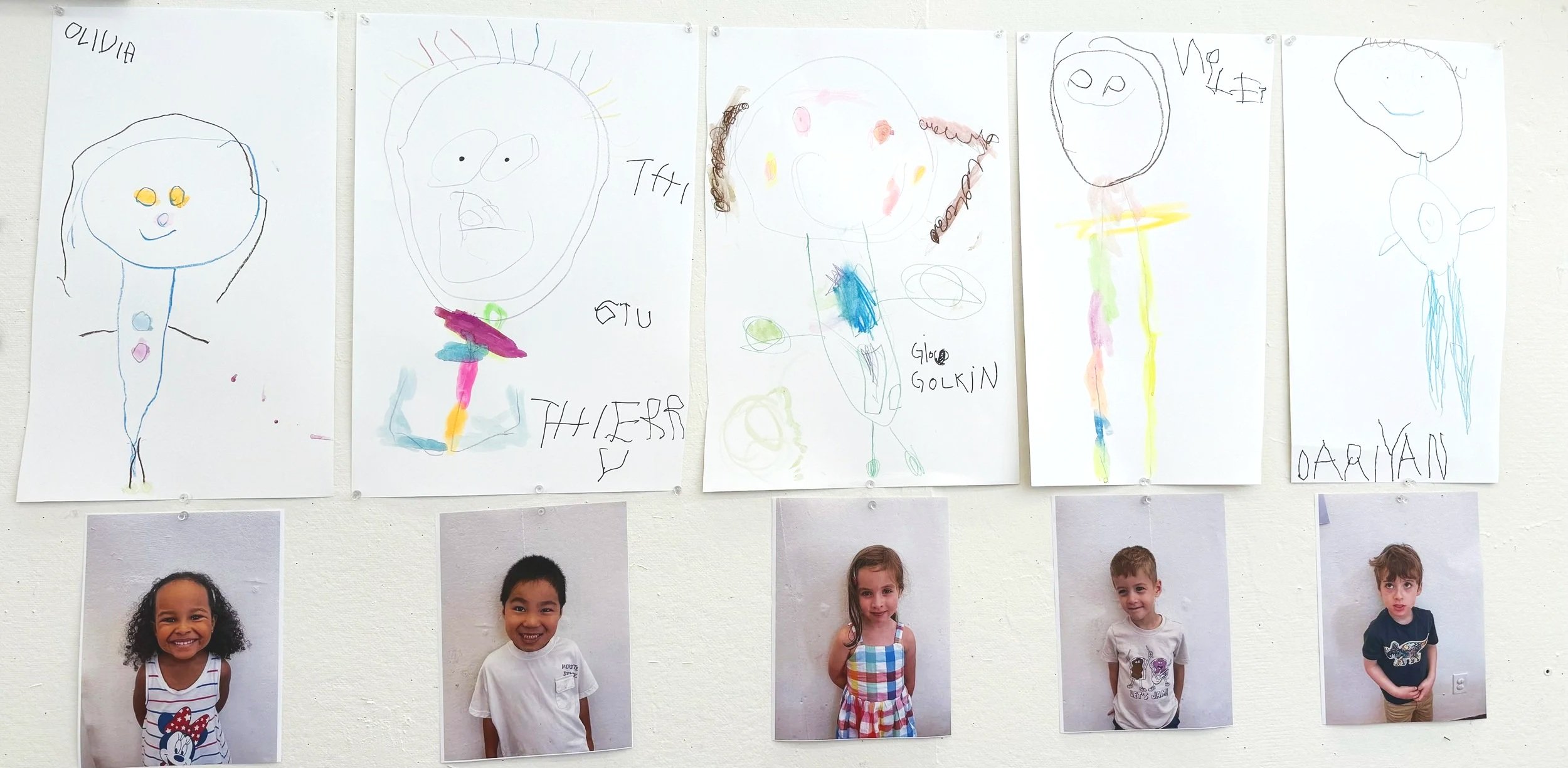
Monthly self-portraits that help children observe their own growth and identity
Portfolios that document and celebrate each child’s learning journey
Classroom walls filled with documentation that makes learning visible to families and the community
Buckle My Shoe Preschool continues to be a place where learning is inspired by curiosity, shaped by relationships, and grounded in the values of the Reggio Emilia approach since 1981.
Fundamental Principals
-
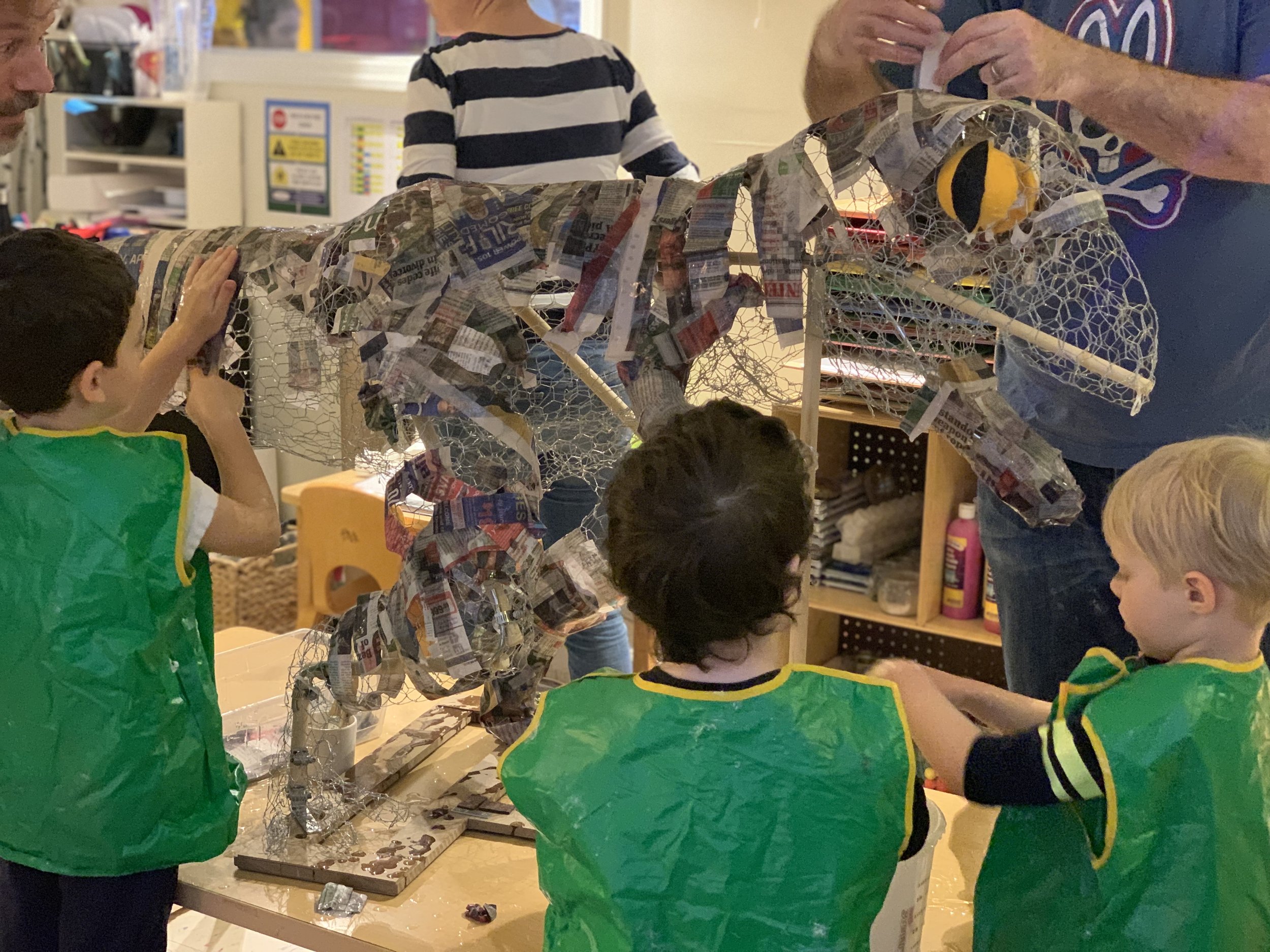
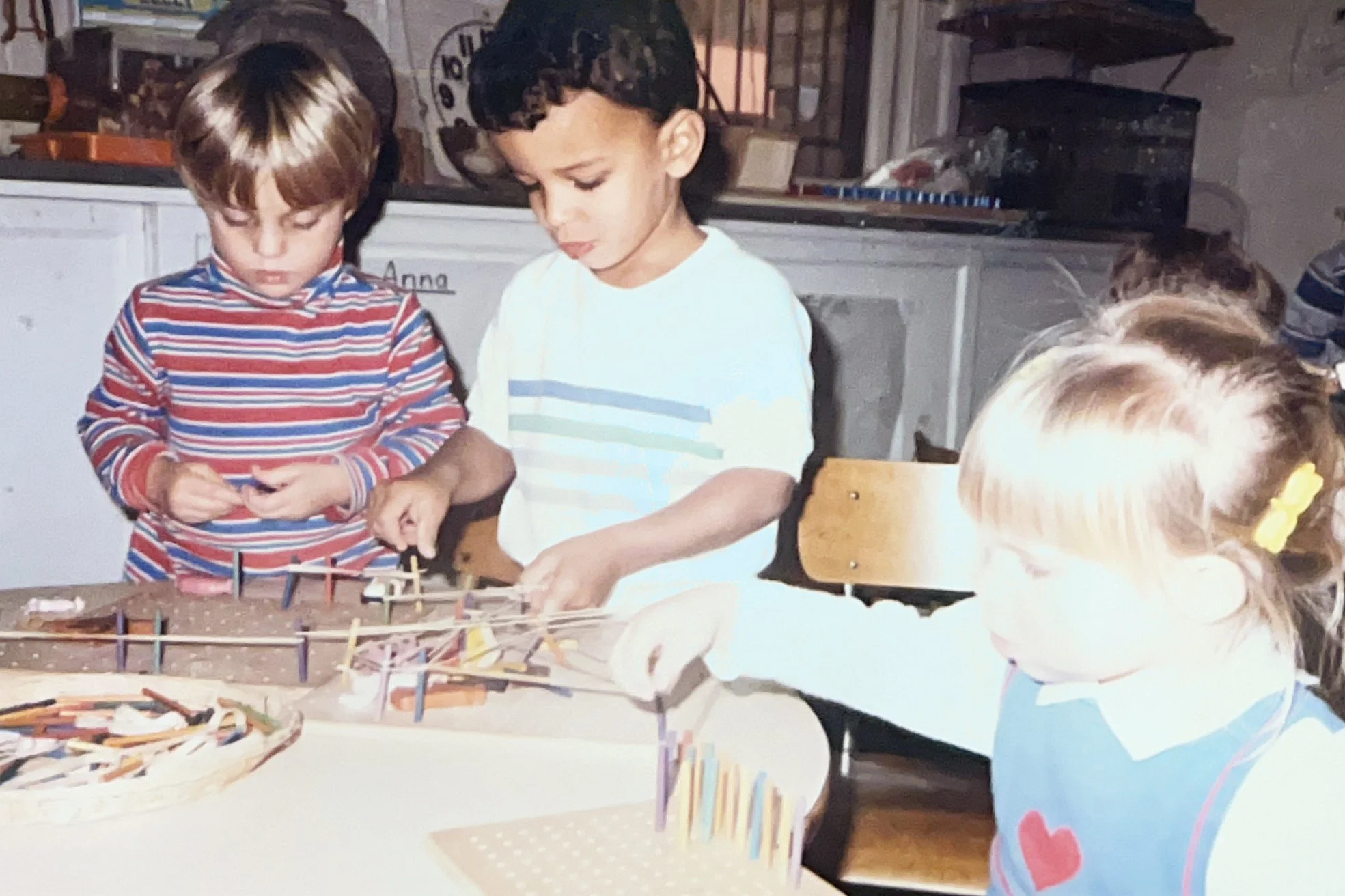
Children are capable of constructing their own learning
They are driven by their interests to understand and know more. Children form an understanding of themselves and their place in the world through their interactions with others. There is a strong focus on social collaboration, working in groups, where each child is an equal participant, having their thoughts and questions valued. The adult is not the giver of knowledge. Children search out the knowledge through their own investigations.
-
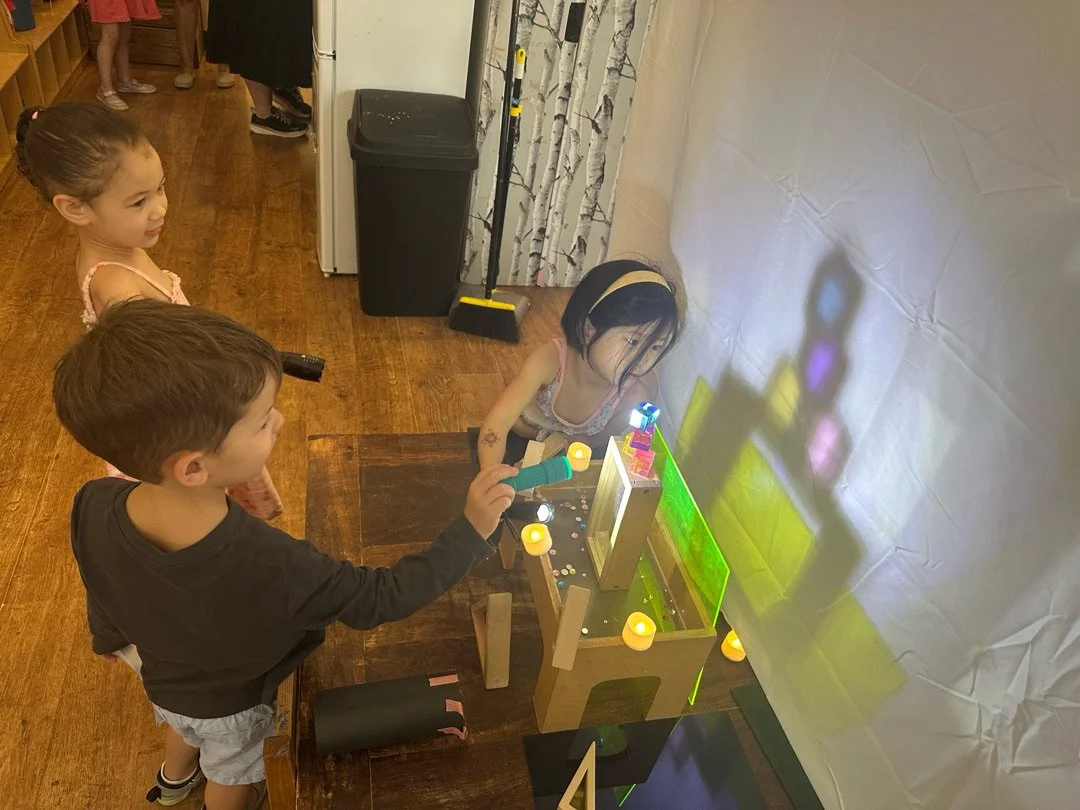
Children are communicators
Communication is a process, a way of discovering things, asking questions, using language as play. Playing with sounds and rhythm and rhyme; delighting in the process of communicating. Children are encouraged to use language to investigate and explore, to reflect on their experiences. They are listened to with respect, believing that their questions and observations are an opportunity to learn and search together. It is a process; a continual process. A collaborative process. Rather than the child asking a question and the adult offering the answers, the search is undertaken together.
-
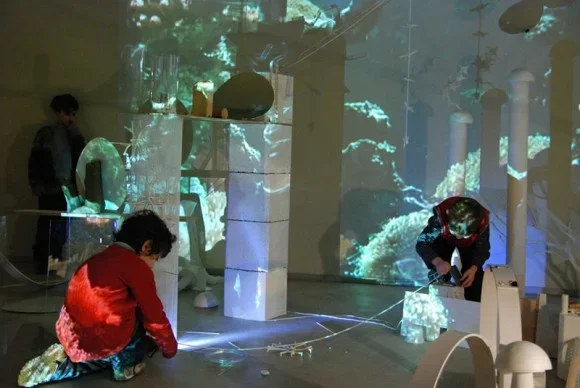
The environment is the third teacher
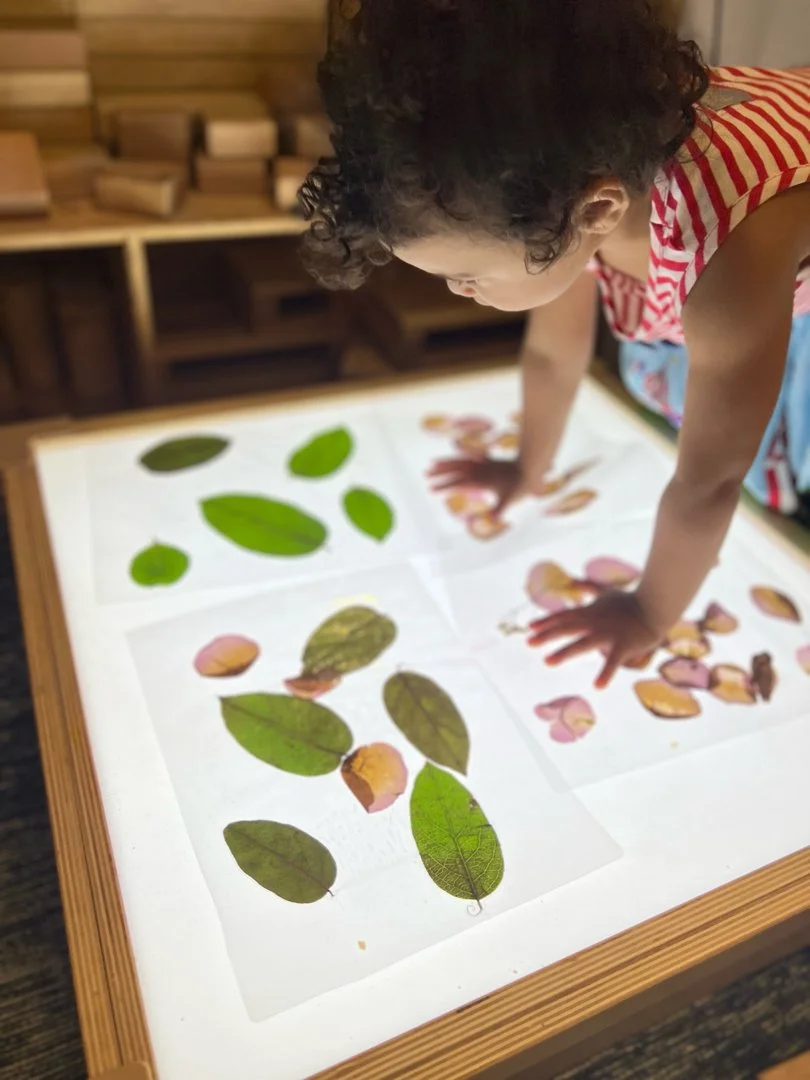
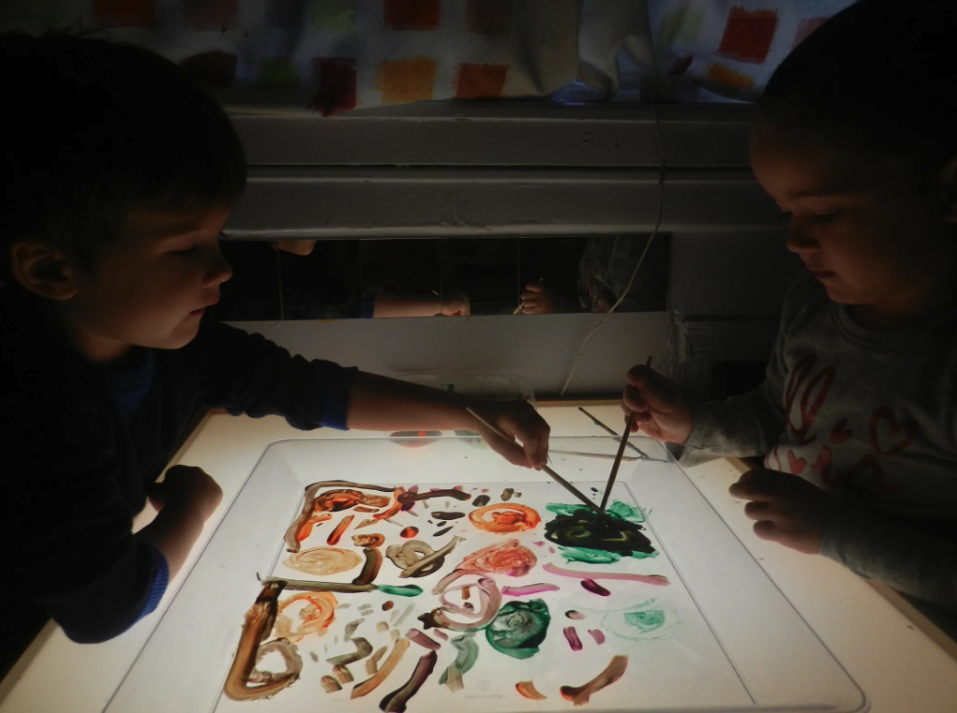
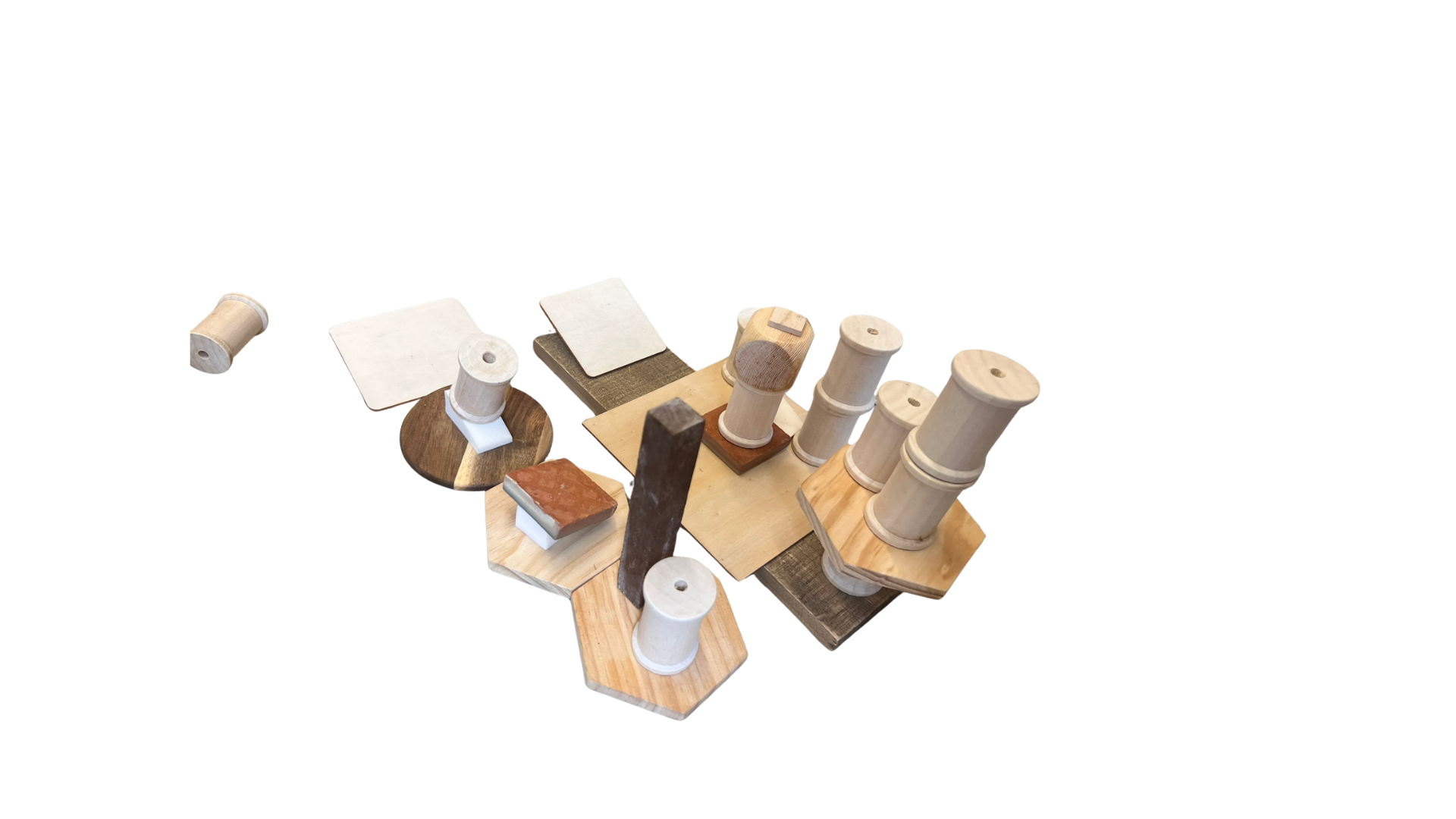
The environment is recognized for its potential to inspire children. An environment filled with natural light, order and beauty. Open spaces free from clutter, where every material is considered for its purpose, every corner is ever-evolving to encourage children to delve deeper and deeper into their interests. The space encourages collaboration, communication and exploration. The space respects children as capable by providing them with authentic materials & tools. The space is cared for by the children and the adults.
-
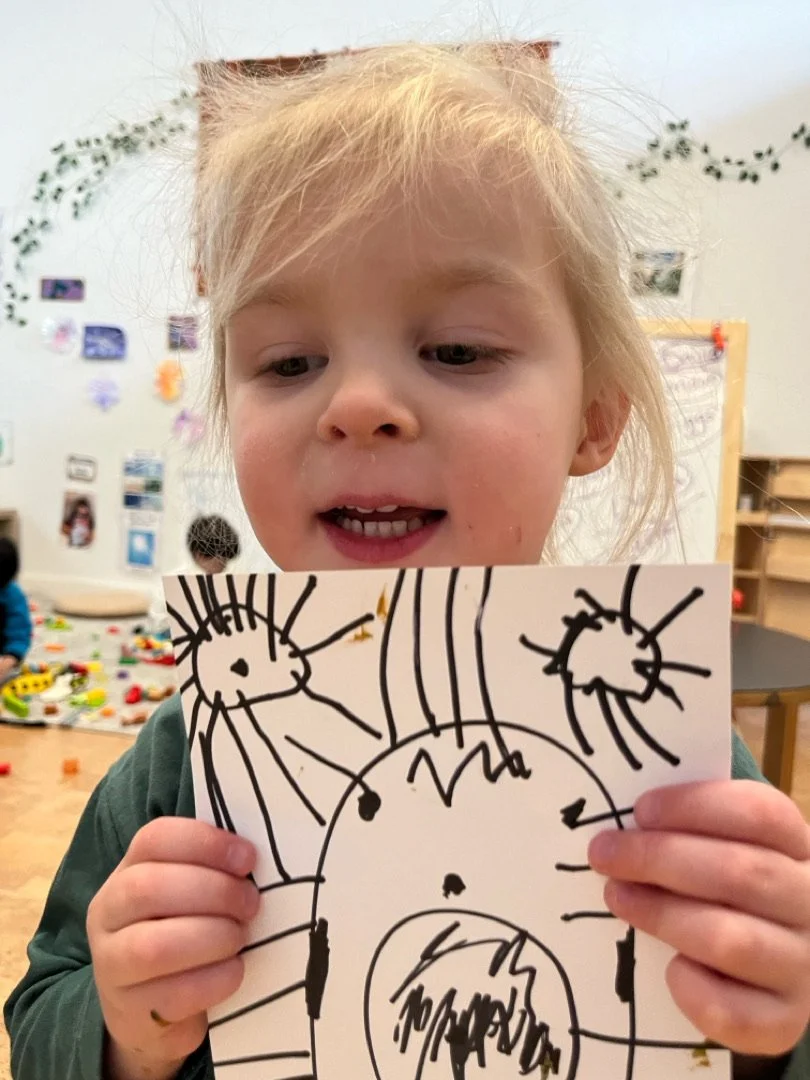
An emphasis on documenting children’s thoughts
You’ll notice in Reggio and Reggio-inspired settings that there is an emphasis on carefully displaying and documenting children’s thoughts and progression of thinking; making their thoughts visible in many different ways: photographs, transcripts of children’s thoughts and explanations, visual representations (drawings, sculptures etc.), all designed to show the child’s learning process.
Reggio Emilia.
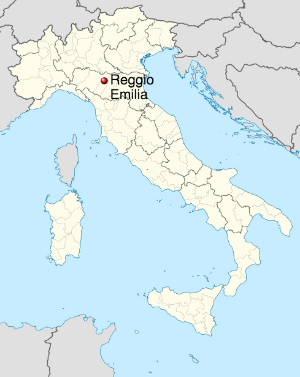
The Reggio Emilia Approach is an educational philosophy based on the image of the child, and of human beings, as possessing strong potentials for development and as a subject of rights who learns and grows in the relationships with others.
This global educational project, which is carried forth in the Municipal Infant-toddler Centers and Preschools of Reggio Emilia, Italy, and has inspired other schools all over the world, is based on a number of distinctive characteristics: the participation of families, the collegial work of all the personnel, the importance of the educational environment, the presence of the atelier and the figure of the atelierista, the in-school kitchen, and the pedagogical coordinating team.
Focusing on the centrality of the hundred languages belonging to every human being, in the atelier spaces young children are offered daily opportunities to encounter many types of materials, many expressive languages, many points of view, working actively with hands, minds, and emotions, in a context that values the expressiveness and creativity of each child in the group.

The Reggio Emilia Approach is an educational philosophy focused on preschool and primary education. It was developed after World War II by a teacher, Loris Malaguzzi, and parents in the villages around Reggio Emilia in Italy. Following the war, people believed that children were in need of a new way of learning. The assumption of Malaguzzi and the parents was that people form their own personality during early years of development and that children are endowed with "a hundred languages" through which they can express their ideas. The aim of this approach is teaching how to use these symbolic languages (eg., painting, sculpting, drama) in everyday life. More